The vision of a fully electric future was painted in broad, revolutionary strokes—a clean break from the past, a silent grid-powered utopia. Yet, for a growing number of American drivers, the daily reality of that future feels less like liberation and more like a complex logistical puzzle. It’s the frantic search for a functioning fast charger on a road trip, the calculation of battery percentage against winter cold and errand distances, the underlying hum of contingency planning that never fully dissipates. This friction at the point of refueling, a fundamental human interaction with a vehicle, is driving a profound and pragmatic counter-movement. Consumers aren't abandoning electrification; they are seeking its benefits without severing the umbilical cord to a century of infrastructure. This is the silent boom of the modern hybrid, epitomized by two seemingly disparate but philosophically aligned vehicles: the stalwart Toyota Camry, now hybrid-only, and the unassuming game-changer, the Ford Maverick pickup truck.
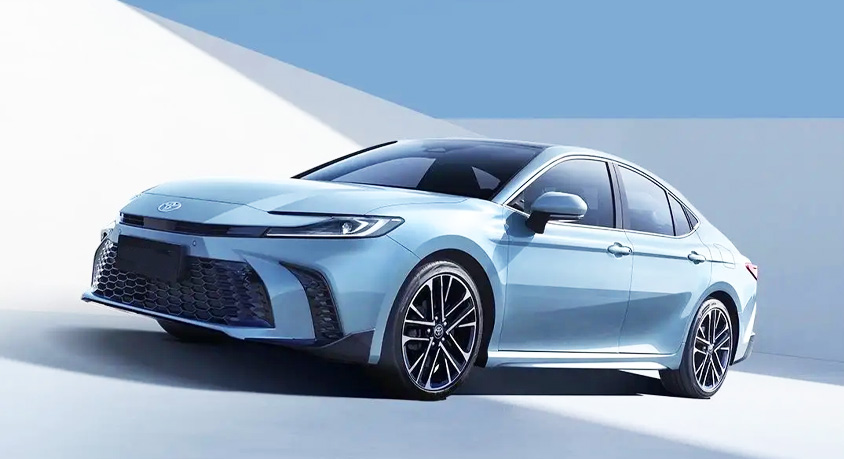
The 2026 Toyota Camry’s shift to a full hybrid lineup is not an incremental update but a strategic declaration. Its powertrain operates on a principle of elegant arbitrage. The system constantly shifts energy between the gasoline engine, the electric motor-generators, and the small battery pack, seeking the most efficient path for any given demand. Imagine it as a shrewd energy trader, buying and selling kinetic and electrical energy in real-time to always operate in the "sweet spot." Under gentle acceleration or at a steady cruise, it can glide on electric power alone, delivering that serene, torque-rich feel drivers covet. Demand more power for a passing maneuver, and the gasoline engine seamlessly joins the symphony. The result is a staggering 52 MPG combined in a spacious, comfortable sedan, a number that translates to over 600 miles of range on a single, easily refilled tank. The compromise lies in its character; when both systems are pressed hard, the engine note can become strained and vocal, a reminder that this is a system optimized for efficiency, not exhilaration.
Enter the Ford Maverick, a vehicle that applies this hybrid logic to a form factor Americans genuinely love: the pickup. Its secret is not raw capability—it's radical accessibility. The hybrid Maverick’s unibody construction and front-wheel-drive-focused powertrain are heresy to truck traditionalists, but that’s precisely the point. It delivers 42 MPG in the city while retaining a 4.5-foot bed for hauling mulch, lumber, or weekend project debris. The electric motor provides that satisfying low-end shove from a stop, making it feel perkier in daily traffic than its modest horsepower suggests. The cabin, however, makes its budget origins clear with vast expanses of hard, hollow-sounding plastics, and the standard infotainment screen feels decidedly last-generation. Its genius is in proving that fuel-sipping efficiency and light utility can coexist, fulfilling 95% of suburban pickup use cases without the 95% premium at the pump.
This collective pivot toward hybrids reflects a deeper, almost economic calculus of risk and convenience. Pure EVs offer a lower cost per mile "in theory," but that theory depends on reliable home charging and a predictable daily range. The hybrid, by contrast, offers a built-in hedge. It captures the vast majority of efficiency gains for city and suburban driving—where most miles are accumulated—while completely outsourcing the "long-tail" risk of long-distance travel to the existing, ubiquitous gasoline network. There’s no need to download new apps, scout charging stations, or alter a cross-country vacation route. The refueling behavior remains identical, but the frequency of those stops is dramatically reduced. It is a transitional technology, yes, but one perfectly calibrated for a transition period that may last decades, especially in regions where charging density remains sparse.
To view this as a rejection of electric vehicles is to misunderstand the trend. It is, rather, a rejection of binary thinking. Consumers are voting for a blended solution that maximizes present-tense convenience while still making a meaningful dent in their carbon footprint and fuel budget. The Camry and the Maverick, each in their own way, acknowledge the complex topography of American life—the sprawling cities, the vast distances between towns, the uneven rollout of public infrastructure. They ask a simple, powerful question: why must the journey to a more efficient future be an all-or-nothing leap of faith? Perhaps the true innovation isn't in building a perfect endpoint, but in engineering a more intelligent, less anxious bridge to get there. In an era of high uncertainty, that bridge, with its familiar fuel cap and astonishing mileage, feels less like a compromise and more like the most rational destination available.
Disclaimer: Mention of any brand or trademark is for identification only and does not imply partnership or endorsement