The moment you turn 16, or 18, or 22, the world presents you with a cruel arithmetic problem. You need a car to get to work, to school, to anything that matters. But the car you can afford to buy is often not the car you can afford to own. The insurance quotes arrive like a punchline to a joke you don't find funny, especially if you're young, especially if the car is new, and especially if you made the mistake of financing something shiny. This is the hidden curriculum of adulthood, and most people learn it the hard way. The smarter path, the one that doesn't leave you eating ramen for two years, involves a different kind of math: a 5-to-8-year-old Japanese compact, bought in cash, insured for peanuts, and driven until the wheels fall off. Here are three that fit the brief.
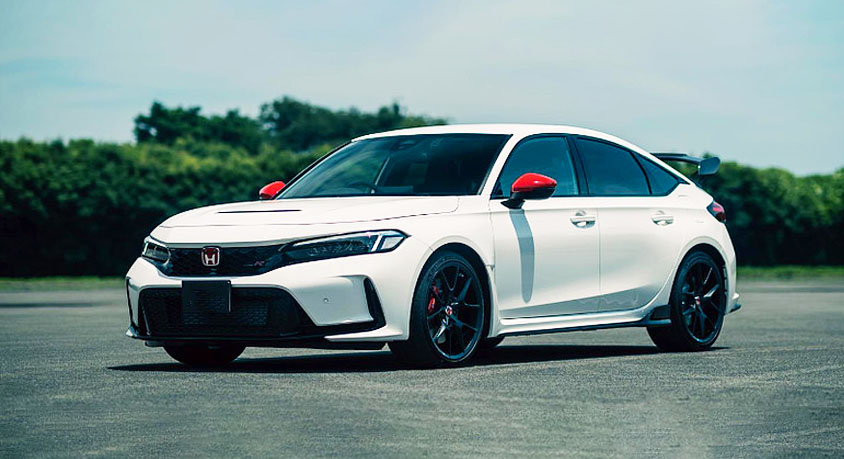
The Honda Civic is the default answer for good reason. A 2018-2020 model, now depreciated to the $12,000-$16,000 range, offers a combination of reliability, fuel efficiency, and surprisingly modern safety features that make it the rational choice. The 2.0-liter naturally aspirated engine, found in the LX and Sport trims, is essentially bulletproof, requiring only oil changes and the occasional brake job to hit 200,000 miles. The interior, while not luxurious, is intuitively laid out, with physical knobs for climate control that you can operate without taking your eyes off the road. The trunk is genuinely spacious, swallowing Ikea flat-packs and college dorm hauling with ease. The downsides are the ones you learn to live with: the road noise on the highway is pronounced, the infotainment screen in early models can be laggy, and the CVT transmission, while reliable, drones under hard acceleration. But for a first car, these are acceptable compromises.
The Toyota Corolla is the Civic's eternal rival, and for the first-time buyer, it offers a slightly different value proposition. The 2017-2019 models, particularly the LE trim, are rolling examples of mechanical minimalism. The 1.8-liter four-cylinder engine makes 132 horsepower, which sounds unimpressive until you realize you'll never need more. It sips regular gas, returns 35 mpg on the highway, and starts every time, in every weather. The safety suite, Toyota Safety Sense P, includes automatic emergency braking and lane departure alert, features that were optional on luxury cars a decade ago. The interior is durable, if unexciting, with cloth seats that resist stains and a dashboard that won't crack in the sun. The frustrating part is the infotainment, which in these years feels dated, with slow response times and a interface that requires menu diving. The driving experience is competent but utterly devoid of excitement, which for a new driver, might actually be a feature, not a bug.
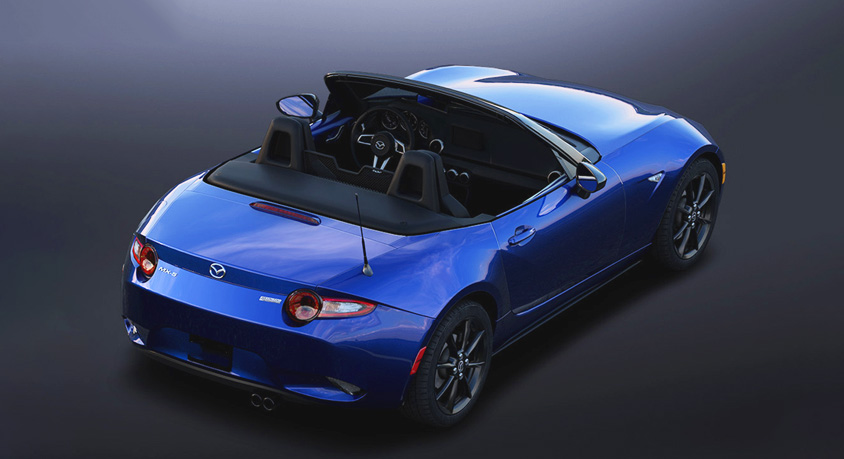
The Mazda3 is the wildcard, the choice for the new driver who refuses to be bored. The 2017-2019 models, before the controversial redesign, offer something the Civic and Corolla don't: genuine driving engagement. The steering is weighty and precise, the chassis communicates the road surface, and the interior, even in base trims, feels more premium than its rivals, with soft-touch materials and a minimalist design that ages gracefully. The 2.0-liter and 2.5-liter engines are willing revvers, and the automatic transmission, a traditional six-speed unit rather than a CVT, responds to throttle inputs with predictability. The fuel economy trails the Toyota and Honda slightly, but not by enough to matter. The compromises are real: the rear seat is cramped, the trunk opening is narrow, and the infotainment controller, while intuitive once learned, requires a learning curve. The paint is notoriously thin, meaning rock chips accumulate quickly. But for a new driver who actually enjoys driving, the Mazda3 is the choice that makes the commute something to look forward to.
The financial logic behind buying one of these vehicles, rather than a new car, is brutal and incontrovertible. A new Civic or Corolla, financed at today's interest rates with minimum down payment, will cost a young driver $400 to $500 per month, plus insurance that can easily double that figure. A 22-year-old with a new car can expect to pay $2,500 to $3,500 annually for full coverage, assuming a clean record. The same driver, insuring a 2018 Civic with liability-only coverage, might pay $800 to $1,200. The difference, invested or saved, compounds into real money over the years. The used car also depreciates slower, having already taken its biggest hit. Buy it right, maintain it well, and you can drive it for five years and sell it for close to what you paid.
The ownership experience of these vehicles reveals their true character over time. The Civic's interior will develop rattles, particularly around the dashboard, and the paint on the front bumper will chip. The Corolla's seats, while durable, lack lumbar support on long trips, leading to back fatigue. The Mazda3's rear suspension, a torsion beam setup on these years, can feel unsettled on broken pavement. These are not failures; they are the honest compromises of cars designed to a price point. What they share is a fundamental mechanical integrity that means you will spend your money on gas and maintenance, not on unexpected repairs. They are tools, not statements, and for a first car, that is precisely what you need.
Disclaimer: Mention of any brand or trademark is for identification only and does not imply partnership or endorsement