


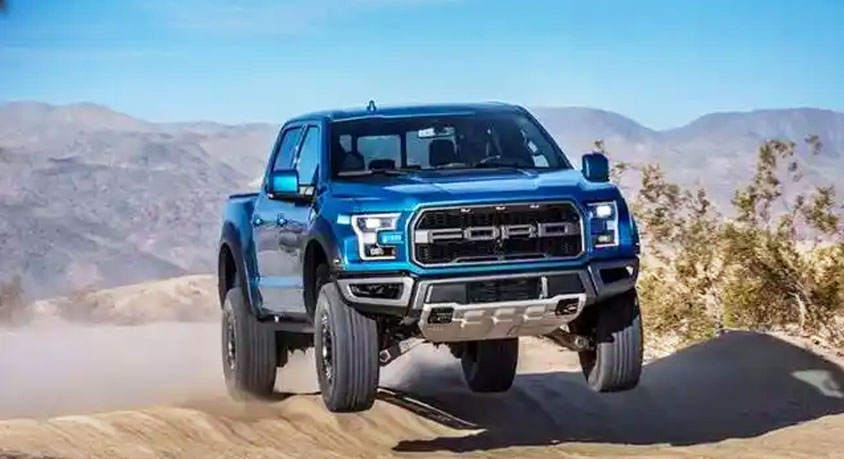
Ford’s first all-electric full-size pickup has stirred endless debate since its launch, and countless truck loyalists still believe electric versions can never match gas-powered trucks for real work. This narrow view ignores how modern EV engineering reshapes what a pickup can do, and after two months of full-time testing, I can say the F-150 Lightning outperforms gas F-150s in daily driving but struggles with long-haul heavy towing against rivals like the Chevrolet Silverado EV.
Instant torque is where the F-150 Lightning leaves traditional gas pickups far behind. I used it to haul garden soil and large lumber bundles to a local backyard renovation site last week, and it pulled the full load without any gear lag or engine revving. The immediate power delivery makes low-speed maneuvering in narrow residential streets much easier. The Silverado EV also boasts strong torque, but its power output kicks in less smoothly during stop-and-go work scenarios.
I strongly dislike the oversized central touchscreen that dominates the entire dashboard of the base and mid-range trims. Shoving nearly all vehicle controls into a single large display is a lazy design choice that sacrifices practicality for a futuristic look. When your hands are covered in dirt after loading tools and you need to adjust the cabin temperature quickly, tapping tiny on-screen icons is distracting and awkward. Gas-powered Ram 1500 and Silverado keep plenty of physical buttons for core functions, proving practical design does not have to be abandoned for tech flair.
Ride quality is another clear advantage the electric platform brings to this pickup. The heavy battery pack sits low in the chassis, lowering the vehicle’s center of gravity significantly. On bumpy rural roads while driving to a weekend campsite, the body stays stable and avoids the bouncy feel that plagues most gas full-size trucks. Even so, the suspension feels stiffer than the Ram 1500’s adaptive setup, which delivers a softer ride on rough gravel roads.
The front trunk, or frunk, is a game-changing extra storage space that gas pickups simply cannot offer. This sealed, weatherproof compartment holds camping coolers, toolboxes and outdoor gear securely, keeping valuable items away from public view. During a weekend family camping trip, we stored all our food supplies and small camping gear inside, leaving the main truck bed free for tents and folding tables. The Silverado EV has a smaller front storage area, so it cannot match the Lightning’s frunk capacity and versatility.
Real-world driving range varies drastically based on load and weather, a fact many buyers overlook. With an empty truck bed and mild 70-degree Fahrenheit weather, I hit 290 miles on a full charge, right around Ford’s official rating. When loaded with heavy construction materials and running the air conditioning on hot summer days, the range dropped to just 210 miles. The Silverado EV holds a slight edge here, retaining more range under heavy load conditions in high temperatures.
Towing performance reveals the Lightning’s biggest limitation against gas-powered competitors. When pulling a 7,000-pound travel trailer on a highway road trip, its usable range plummeted sharply, and frequent charging stops became unavoidable. A standard gas F-150 can tow the same trailer and travel nearly twice the distance before refueling. For users who regularly tow heavy loads across long distances, electric pickups still cannot replace gas models completely.
Interior quietness sets the Lightning apart from every gas pickup in its class. There is no loud engine roar or exhaust drone during acceleration or steady cruising. During long highway drives with family members talking or listening to music, the quiet cabin creates a far more relaxed atmosphere. Both the Ram 1500 and Silverado generate noticeable engine and wind noise at highway speeds, a problem fully solved by the electric motor system.
Fast charging speed meets daily needs for most casual users, but it lags behind some newer electric vehicles. Using a public 150kW fast charger, it took roughly 42 minutes to boost the battery from 20 percent to 80 percent. This waiting time is acceptable for short stops while grabbing snacks or drinks. Still, several newer electric SUVs and sedans complete the same charging cycle in under 30 minutes, putting the Lightning at a disadvantage for drivers in a constant hurry.
Overall, the Ford F-150 Lightning redefines what an everyday pickup can be for city dwellers, weekend adventurers and light-duty workers. It excels at smooth rides, quiet cabins, extra storage and responsive power. It falls short for those who rely on long-distance heavy towing or maximum range under extreme loads. If you use your truck mainly around town and for light outdoor activities, this electric pickup is well worth your consideration. If heavy towing and cross-country hauls are your main use cases, sticking with a classic gas pickup remains the more sensible choice.
Disclaimer: Mention of any brand or trademark is for identification only and does not imply partnership or endorsement