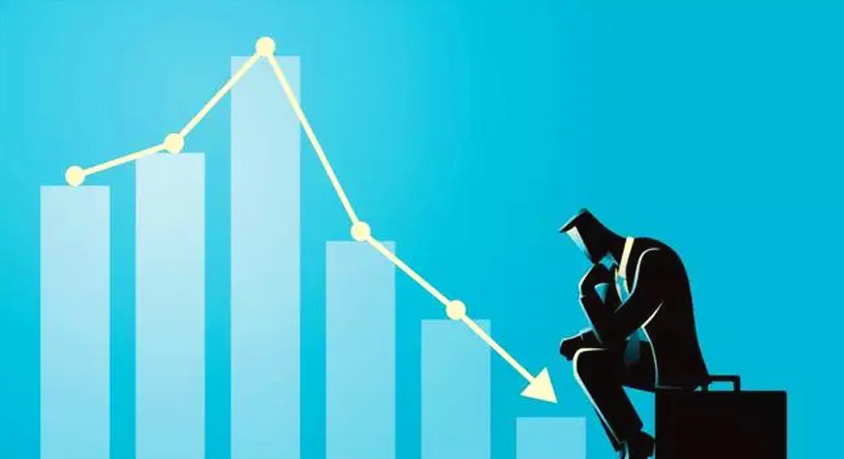

I kept my emergency fund in a “safe” savings account for three years, watching the balance tick up slowly with each paycheck. I never thought to question the tiny interest rate, assuming that as long as the number didn’t go down, my money was secure. It wasn’t until I compared what that money could buy then versus now that I realized—something invisible was chipping away at it, little by little, without me even noticing.
We all do it: we save diligently, avoid “risky” investments, and trust that keeping money in the bank is the smartest move. We pat ourselves on the back for not overspending, for building a buffer against the unexpected, but we rarely stop to check if that buffer is actually growing—or shrinking. The quiet danger isn’t in reckless spending or bad investments; it’s in the complacency that makes us think “saving” is the same as “protecting our wealth.”
You might think your savings are safe because the balance never drops. You might even feel proud of how consistent you’ve been. But what if that consistency is costing you? What if the “safe” choice is actually the one that’s slowly eroding the value of every dollar you’ve worked so hard to earn? These are the questions no one wants to ask, because the answer forces us to confront a simple truth: saving alone isn’t enough.
A former coworker of mine saved $30,000 over a decade, putting every bonus and raise into a basic savings account. She planned to use it for a down payment on a house, but when she finally started looking, she realized the money she’d stashed away was worth nearly 20% less than when she started. The house she could have afforded five years ago was now out of reach, all because she assumed the bank would take care of her money. She wasn’t careless—she was just unaware of the hidden drain.
I learned this lesson the hard way after that three-year stretch with my emergency fund. I’d saved $8,000, thinking it would cover three months of expenses if I lost my job. But when I calculated the real value, accounting for rising rent, groceries, and utilities, that $8,000 would barely last two months. The interest I’d earned was a drop in the bucket compared to what inflation had taken, and I felt foolish for not paying attention sooner. It’s not that I didn’t save—it’s that I saved without thinking.
The myth we’re sold is that “safe” savings are the foundation of financial security. But the reality is, low-interest savings accounts are a trap for the complacent. They don’t keep up with the cost of living, and over time, they turn your hard-earned savings into less and less. The wealthy don’t just save—they make their money work for them, even in small ways, to outpace the invisible drain that eats away at ordinary savers.
You don’t need to take on huge risks to protect your savings. It doesn’t require fancy investments or expert knowledge. It just requires paying attention—checking your interest rate, comparing it to inflation, and making small adjustments to ensure your money grows as fast as the world around you gets more expensive. Complacency is the enemy here, not risk.
Next time you look at your savings account balance, don’t just see a number. Ask yourself: is this money keeping up with the life I want to live? Or is something invisible slowly taking it away?
Disclaimer: Mention of any brand or trademark is for identification only and does not imply partnership or endorsement